Swedish vs Deep Tissue Massage: Pressure, Pace and Who Each Is For
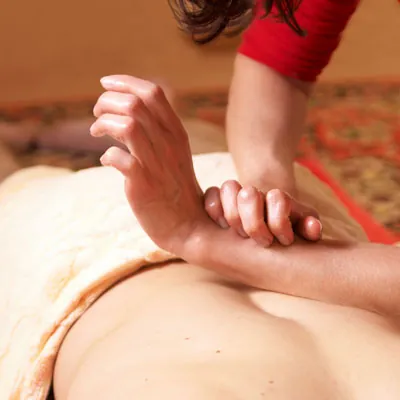
Swedish and deep tissue are the two massages people compare most, and the names make them sound further apart than they are. Both are full body, oil based, on a padded table under a drape. The difference is in how hard, how slow and how focused the work is.
In one line: Swedish is lighter, flowing and for the whole body, while deep tissue is slower, firmer and aimed at the layers of muscle that have been tight for weeks. If you want to relax, pick Swedish. If you have a specific spot that will not let go, pick deep tissue. The rest of this post shows the two side by side so you can walk into Hana Spa in Palisades Park and ask for the right one.
The one line difference
Swedish massage relaxes the whole body with light to medium pressure. Deep tissue massage works into specific muscles with firm, slow pressure until they release. Everything else, the oil, the drape, the private room, is the same.
The confusion comes from the word deep. Deep tissue does not mean the therapist leans on you as hard as possible. It means the strokes are slow enough and angled enough to reach the deeper layers of muscle and the connective tissue around them, instead of gliding over the surface. A good deep tissue session can feel intense without feeling painful, and a Swedish session with firm pressure is still Swedish if the strokes keep flowing.
Side by side: pressure, pace, oil and soreness
The table below is the quickest way to see where the two styles part ways. Use the last row to decide which one to book.
| Feature | Swedish massage | Deep tissue massage |
|---|---|---|
| Pressure | Light to medium | Firm, sometimes intense |
| Pace | Flowing, rhythmic | Slow, held on one spot |
| Oil | Yes, generous | Yes, less of it so the hands can grip |
| Area | Whole body in one pass | Whole body, or the trouble areas in detail |
| Goal | Relaxation, circulation, sleep | Chronic tension, knots, limited range of motion |
| Soreness after | Rare, mild | Common for a day, like after a workout |
| Best for | First timers, stress, a treat | Desk workers, drivers, gym goers, old injuries |
Both are on the full body massage menu at Hana Spa, and both can be booked as a walk in any day between 9 AM and 11 PM.
Techniques in each
Swedish uses five named strokes. Deep tissue uses fewer, slower moves, often with the forearm, elbow or knuckles instead of the palm.
Swedish strokes
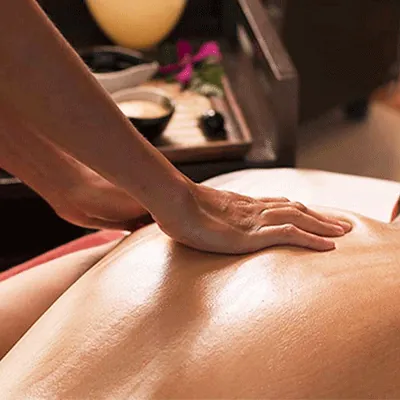
Effleurage (long gliding strokes), petrissage (kneading), friction (small deep circles), tapotement (rhythmic tapping) and vibration (fine shaking). The therapist cycles through them on each area, opening and closing with effleurage. The flow is the point: the body learns that nothing is going to hurt and lets go.
Deep tissue strokes
Slow stripping strokes along the length of a muscle, static pressure held on a knot until it softens, and cross fiber friction across tendons and the edges of the shoulder blade. The therapist warms the area first with Swedish strokes, then sinks in, then finishes with lighter work so you do not leave with the muscle guarding again. Breathing out as the pressure goes in helps more than people expect.
Who should pick Swedish
Swedish is the right choice for a first massage, for stress, for a couples session and for anyone who wants to leave feeling calm rather than worked over.
- First timers. You learn how massage feels and what pressure you like without a sore day after.
- Stress and poor sleep. An evening Swedish session before an 11 PM close is the simplest way to switch off.
- Couples and gifts. In the couples suite each person picks their own style, and Swedish is the safe pick for a partner who has never had one.
- Sensitive bodies. If you bruise easily, take blood thinners or are pregnant, lighter work is the sensible default. Ask your doctor first if you have a medical condition.
Who should pick deep tissue
Deep tissue is for the body that has been in the same position too long: a desk, a steering wheel, a squat rack. If a Swedish massage felt nice but the knot was still there the next morning, this is the next step.
- Desk workers. Upper traps, the base of the neck and the muscles between the shoulder blades hold most of a workday. Slow pressure there is what finally shifts it.
- GWB commuters and drivers. An hour each way on the bridge, Route 46 and Route 4 loads the low back and the hips. Deep tissue on the glutes and lower back is the usual fix.
- Gym goers and runners. Tight hamstrings, calves and hip flexors respond well, especially a day or two after a hard session rather than right before one. Sports massage, which adds stretching, is the next step up.
- Old injuries. Scar tissue and the muscles that have been guarding around it for years loosen slowly with repeated deep tissue work, once your doctor has cleared the area.
Expect to feel it the next day. Mild soreness that fades within a day or two is normal; sharp pain or bruising means the pressure was too much, and you should say so at the next visit.
What to do before either massage
Preparation is the same for both styles, and it takes less than an hour of thought. Most of it is about arriving in a state where your muscles can let go.
- Drink water through the day. Hydrated muscle is easier to work, and you feel less lightheaded afterward. This matters more before deep tissue.
- Eat two hours before, not right before. Lying face down on a full stomach ruins the first twenty minutes.
- Skip the hard workout. Deep tissue after heavy lifting on the same day is a recipe for a very sore tomorrow. Book it a day later.
- Shower, skip lotion and perfume. Lotion stops the hands from gripping, which matters for deep tissue, and scent fills a small room.
- Wear loose clothes and leave jewelry at home. You will be oily and relaxed when you dress again.
- Write down your sore spots. Two or three areas, plus any injury or medical condition. That list is the whole conversation at the start.
How to tell your therapist what you need
The short conversation at the start of every Hana Spa session is where the massage gets decided, so use it. The therapist asks about sore spots, injuries and pressure; the more concrete your answers, the better the hour.
Describe the spot, not the diagnosis
Say where it hurts, when it started and what makes it worse, for example the right shoulder blade, three weeks, worse after driving. You do not need a medical name for it. If you do have a diagnosis or a condition, say that too, and if your doctor has given any limits, pass them on.
Use a pressure scale
Ask the therapist to start at a medium and tell them to go up or down. A simple one to ten, where seven is firm but you can still breathe easily, works well. During the massage, one word is enough: lighter, firmer, or there.
Choosing a therapist
What you are looking for is a licensed therapist who asks before they start and adjusts when you speak up. Every therapist at Hana Spa is licensed and trained in several modalities, which is why you can ask for Swedish on the legs and deep tissue on the shoulders in the same session and get both done properly. The Hana Spa FAQ covers pressure, undressing and appointments if you want to read before you call.
Try both in one session at Hana Spa
You do not have to choose. Ask for a Swedish massage with deep tissue work on one or two areas and the therapist will blend them, which is how most regulars end up booking. The full list of styles, from shiatsu to hot stone, is on the services page, and our guide to Korean style acupressure covers the tradition behind the spa.
Hana Spa is at 520 Bergen Blvd in Palisades Park, open every day from 9 AM to 11 PM, with free parking on site. Walk ins are welcome, or call 201-242-0444 to hold a time and ask about pricing. Both styles are described on the full body massage page, and the spa is six minutes from Fort Lee and the George Washington Bridge.
Questions readers ask
Can I switch from Swedish to deep tissue halfway through?
Yes. Tell the therapist when you feel an area that needs more, and they will slow down and work deeper there. Switching the whole session is also fine as long as you ask early enough to use the time well.
Is deep tissue massage the same as a sports massage?
No. Sports massage at Hana Spa is deep tissue plus assisted stretching, aimed at people who train. Deep tissue on its own is the better pick if you are tight from sitting rather than from exercise.
Why am I sore after deep tissue but not after Swedish?
Deep tissue works the muscle the way a hard workout does, so the same mild soreness follows for a day. Swedish stays near the surface and rarely leaves any. Water and a warm shower help either way.
Does deep tissue massage use oil too?
Yes, but less of it. The therapist needs some grip to sink into the muscle slowly, so the oil is applied lightly. You undress to your comfort and are draped the same way as for a Swedish massage.