Sore After a Deep Tissue Massage? What Is Normal and What Is Not
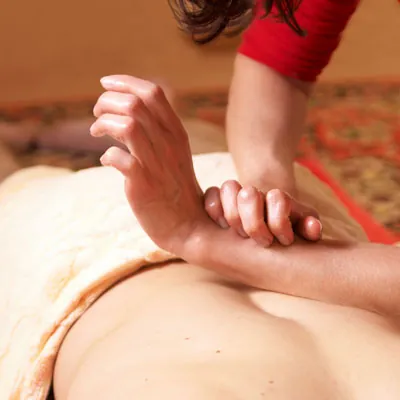
You booked a deep tissue massage because your shoulders had been tight for weeks. The session felt great. Then you woke up the next morning and your back felt like you had moved furniture. That is a common experience, and most of the time it is a good sign rather than a bad one.
Here is the direct answer: a dull, workout style ache that shows up within a day and fades within 48 hours is normal after deep tissue work. Sharp pain, bruising that spreads, numbness or soreness that lasts more than three days is not, and deserves a call to your doctor. This guide from the team at Hana Spa in Palisades Park explains why the ache happens, how long it should last, and what to do about it before your next massage in Palisades Park.
Why you feel sore after a deep tissue massage
Deep tissue massage is sore for the same reason a hard workout is sore: muscle that has been worked harder than usual responds with a short period of tenderness while it recovers. Three things are going on at once.
1. The muscle was worked, not just rubbed
Deep tissue uses slow, firm pressure from the forearm, elbow or knuckles to reach the layers of muscle under the surface. Fibers that have been shortened and stiff for weeks get lengthened and compressed. Many people find that feels a lot like the day after leg day, because the tissue is responding in a similar way.
2. Long held tension let go all at once
Muscles that have been guarding a sore neck or a tight hip for months do not release quietly. When the tension finally drops, the surrounding tissue and the nerves that run through it notice the change. The ache you feel is often the muscle settling into a new, longer resting length.
3. A mild, local inflammatory response
Firm pressure brings more blood to the area. Studies suggest that this brief increase in local circulation is part of how the tissue repairs itself, and the mild swelling that comes with it is what you feel as tenderness when you press on the spot.
None of these three is harm. They are the signs that the therapist reached the tissue you asked them to reach. The question is whether the soreness stays within the normal window, which the next section lays out.
How long the soreness should last
Normal soreness after a deep tissue massage peaks at about 24 hours and is mostly gone by 48. A faint tenderness can linger into day three. Anything past that is worth a closer look.
The table below is the timeline most people at Hana Spa describe, assuming a full body deep tissue session with firm pressure on one or two problem areas.
| Time after the session | What you usually feel | What to do |
|---|---|---|
| 0 to 2 hours | Loose, warm, a little tired or lightheaded | Rest, drink a glass of water, no heavy lifting |
| 2 to 12 hours | Mild stiffness beginning, especially where the work was deepest | Gentle walking, a warm shower, early night |
| 12 to 24 hours | Peak soreness, dull ache, tender to the touch | Light stretching, heat, keep moving |
| 24 to 48 hours | Ache fading, range of motion improving | Normal activity, easy exercise is fine |
| 48 to 72 hours | Faint tenderness at most | Resume full training |
| Past 72 hours | Should be gone | If it is not, read the next section |
First time clients tend to sit at the longer end of these ranges. People who book deep tissue every few weeks often report almost nothing by the second morning, because their tissue is used to the work and the therapist is not chasing months of buildup in one session.
What is normal and what is not
Normal soreness is dull, spread across the area that was worked, and improves every day. Abnormal soreness is sharp, localized to one point, or gets worse instead of better. The lists below are the checklist our therapists use when someone calls the day after.
Normal after deep tissue
- A dull ache like the day after exercise
- Tenderness when you press on the spot that was worked
- Feeling tired, thirsty or sleepy the same evening
- A mild headache that clears with water and rest
- Slight redness on the skin for a few hours
- Stiffness first thing in the morning that eases as you move
Not normal, call your doctor
- Sharp, stabbing or electric pain
- Numbness, tingling or weakness in an arm or leg
- Bruising that is large, dark or spreading
- Swelling that is visible or warm to the touch
- Pain that is worse on day two than day one and still climbing on day three
- Fever, dizziness that does not pass, or pain in the chest
Bruising deserves its own note. A small mark where an elbow worked a stubborn knot can happen, especially on people who bruise easily or who take blood thinners. A spreading bruise is different and should be checked. If you take any medication that affects clotting, or you have a medical condition that affects your blood vessels, bones or nerves, ask your doctor before booking deep tissue work and tell the therapist at the start of the session.
Six ways to get relief faster
You cannot skip the recovery window, but you can shorten it and make it more comfortable. These six steps are what we tell every client who asks at the front desk.
- Drink water, steadily. You do not need to chug a gallon. A glass right after the session and a normal intake through the next day keeps the tissue hydrated and takes the edge off the headache some people get. Why you feel thirsty at all is covered in our guide to what actually happens after a massage.
- Keep moving, gently. A 15 to 20 minute walk the same evening and again the next morning moves blood through the worked muscle. Sitting still all day makes the stiffness set.
- Use heat. A warm shower, a bath or ten minutes in the steam sauna relaxes the tissue and many people find it cuts the ache noticeably. Save ice for a spot that is swollen or sharply painful.
- Stretch lightly. Hold easy stretches for the worked area for 20 to 30 seconds. Do not push into pain; the goal is to remind the muscle of its new length, not to add more work.
- Sleep. Most tissue repair happens overnight. An early night after deep tissue is worth more than any other single step.
- Skip the hard workout. Give it 24 to 48 hours before a heavy lift, a long run or a hard class. Light exercise is fine and often helps.
Over the counter pain relievers are usually not needed for normal soreness. If you feel you need one every time, that is a signal to ask for lighter pressure next visit rather than a reason to keep taking them.
Why first timers feel it more
If this was your first deep tissue massage, or your first in a long while, the soreness is usually stronger for two reasons: the tissue had more to release, and you did not yet know how much pressure you can take.
Months of desk posture, driving or lifting leave muscles short and dense. The first session has the most to undo, so it produces the most soreness. By the second or third visit the therapist is maintaining rather than rebuilding, and the day after feels very different.
Pressure is the other variable. Every session at Hana Spa starts with a short conversation about sore spots, injuries and how much pressure you want. First timers often say firm because they assume deep tissue is supposed to hurt. It is not. Good deep tissue work sits at the edge of discomfort, a pressure you could describe as intense but still breathe through. If you are holding your breath or clenching, it is too much, and you should say so during the session. The therapist would rather adjust than have you leave sore for three days.
If you are not sure deep tissue is the right style yet, the comparison in Swedish vs deep tissue covers who each is for. Many people do best with a Swedish session that includes deep work on one or two areas, which gives the benefit without the full day after.
How to make the next session less sore
Soreness after deep tissue gets lighter with each visit if you prepare for the session, communicate during it and space your appointments sensibly. Here is the routine that works for regulars.
Before you arrive
Drink water through the day. Eat a light meal an hour or two before, not a heavy one right before. If you can, take a warm shower or spend a few minutes in the steam sauna first so the muscle is already warm when the work begins.
During the session
Tell the therapist about anything that happened since last time: a new ache, a hard week of training, a long drive. Ask them to warm the area with lighter strokes before going deep. Breathe out slowly as pressure goes in. If a spot is too much, say lighter, and if a spot needs more, say so; you can ask for extra time on one area.
Spacing your visits
- Acute tightness: once a week for 2 to 3 weeks, then taper
- Maintenance for desk or driving posture: every 2 to 4 weeks
- Active training: every 1 to 2 weeks, on rest days
- General wellness: once a month
Booking too close together does not speed things up. The tissue needs the 48 hour window to adapt, and stacking sessions inside it just stacks soreness.
When soreness means it is time to change the plan
Massage is a good tool for tight muscle, and a poor one for problems that are not muscular. If the same pain comes back every time within a few days, or the soreness never settles into the normal pattern, the plan needs to change rather than the pressure.
A few patterns are worth noticing. Pain that runs down a leg or arm, rather than sitting in the muscle, can involve a nerve. Pain that wakes you at night, or that does not change with position, is not typical of tight muscle. A joint that is stiff and swollen rather than a muscle that is tender is a different problem. In all of these cases, ask your doctor first and bring their advice to the therapist, who can then adjust the style or the areas worked.
It is also fine to decide deep tissue is not for you. Hana Spa offers 14 services, and several of them reach tight tissue by a different route: shiatsu uses clothed acupressure with no oil, Thai massage uses assisted stretches, and hot stone uses heat to relax muscle before any pressure is applied. The therapist can suggest the gentlest option that still gets to the problem. Deep tissue is the right tool for many people, but it is one tool among several.
Deep tissue at Hana Spa, and what to expect the day after
A deep tissue session at Hana Spa takes place in a private treatment room on a padded table with fresh linens. The therapist asks about sore spots, injuries and pressure before starting, works the areas you named, and leaves you time to rest and rehydrate afterward. Most clients feel a mild ache the next day and nothing by day two, and the full list of styles, including the lighter options, is on the massage page. Pricing is by phone.
Hana Spa is at 520 Bergen Blvd in Palisades Park, six minutes from Fort Lee and the George Washington Bridge, and open every day from 9 AM to 11 PM. Walk ins are welcome, or call 201-242-0444 to hold a time. There is free parking on site, and NJ Transit route 154 stops along Bergen Boulevard. Korean and English are spoken at the desk.
Questions readers ask
Is it normal to feel worse the day after a deep tissue massage than right after?
Yes. Soreness usually peaks about 24 hours after the session, not immediately. It should then ease steadily and be mostly gone by 48 hours.
Can I take a hot shower or use the steam sauna when I am sore from a massage?
Yes, and many people find heat is the fastest relief. Keep sauna time short, drink water, and skip the heat if the area is swollen or sharply painful.
Should I get another massage while I am still sore?
Wait until the soreness has cleared, usually two to three days. Booking inside the recovery window adds soreness without adding benefit.
Does soreness mean the therapist used too much pressure?
Not necessarily. Mild soreness is expected after deep work. If you had to hold your breath or clench during the session, that was too much, and you should ask for lighter pressure next time.