What a Swedish Massage Is, and Why First Timers Start Here
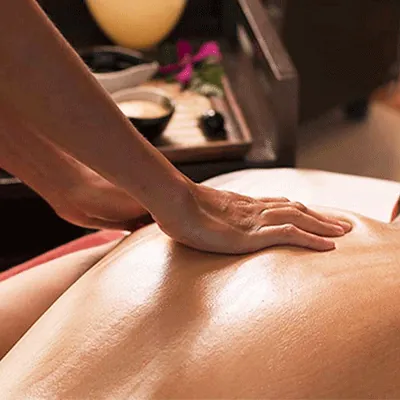
A Swedish massage is the classic full body massage most people picture when they hear the word spa. The therapist uses oil, long gliding strokes and kneading over the muscles, with pressure that stays light to medium, and the aim is to relax the whole body rather than work one knot until it gives.
If you have never had a professional massage, Swedish is the place to start. It is gentle enough that nothing surprises you, it covers the back, legs, arms, neck and shoulders in one session, and it teaches you what pressure you like before you move on to deep tissue or shiatsu. This guide covers the strokes, what a session at Hana Spa in Palisades Park looks like, how to prepare, what the research says and what to do afterward.
Swedish massage in one paragraph
Swedish massage is a full body, oil based massage built on five basic strokes applied with light to medium pressure. It was systematized in Europe in the 1800s and is the foundation most Western massage training starts with, which is why nearly every spa offers it and why it is the style most licensed therapists learn first. Hana Spa's own tradition, Korean style acupressure, comes from East Asia instead.
The purpose is general: looser muscles, better blood flow through the soft tissue and a calmer nervous system. It is not a treatment for a specific injury and it does not chase deep knots. Think of it as a reset for a body that has been sitting in a car on Route 46, hunched at a desk in Fort Lee or standing on a shop floor all week.
Swedish massage is one of the 14 services on the Hana Spa services menu, and it is the one we suggest when someone calls and says they are not sure what to pick.
The five strokes of a Swedish massage
Every Swedish massage is built from five strokes, and a good therapist moves between them so smoothly that you rarely notice the switch. Knowing the names helps you describe what you liked, or did not, at your next visit.
Effleurage
Long, gliding strokes with the flat of the hand or forearm, usually toward the heart. This is how a session opens and closes on each area. It spreads the oil, warms the tissue and lets the therapist feel where you are holding tension.
Petrissage
Kneading. The therapist lifts and rolls the muscle between the fingers and thumb, or presses it with the heel of the hand. Petrissage is where most of the work on the shoulders, calves and glutes happens, and it is the stroke that makes a Swedish massage feel like something is actually being done.
Friction
Small, deep circles made with the thumbs or fingertips over one spot, often around a joint or along the edge of the shoulder blade. Friction is the closest a Swedish massage comes to deep tissue work, and the therapist uses it sparingly on points that feel stuck.
Tapotement
Rhythmic tapping with cupped hands, the edge of the hand or loose fists, usually on the back and thighs. It feels brisk and wakes the muscles up, which is why it tends to come near the end of a section rather than at the start.
Vibration
A fine shaking or trembling of the hand over a muscle, or a gentle rocking of a limb. It is used briefly to loosen an area that is still guarding, and on the lower back it can feel like the muscle lets go all at once.
What a session at Hana Spa is like
A Swedish massage at Hana Spa happens in a private treatment room on a padded table with fresh linens, and it starts with a short conversation rather than going straight onto the table. Here is how the visit runs from the door to the drive home, and our guide to what to expect on a first visit covers the rest of the spa.
| Step | What happens |
|---|---|
| 1. Arrival | Check in at the front desk, as a walk in or by appointment, any day between 9 AM and 11 PM. Korean and English are spoken. |
| 2. Short conversation | The therapist asks about sore spots, injuries and the pressure you prefer. |
| 3. Undress and settle | You are left alone to undress to your comfort and get under the sheet, face down. |
| 4. The massage | Back, legs, arms, neck and shoulders, one area uncovered at a time, with oil and the five strokes. |
| 5. Rest | A few minutes to lie still, then time to sit up slowly and drink water before you leave. |
Draping is standard. Only the area being worked is uncovered, and the sheet is moved back as the therapist moves on. If you prefer to keep underwear on, that is fine, and if you want a particular area skipped you only need to say so at the start.
Swedish massage uses oil so the strokes glide. If you want lavender, eucalyptus or peppermint added, ask for the aromatherapy massage instead; it is a separate service with the same full body structure.
How to prepare for a Swedish massage
Preparation is simple: arrive hydrated, not full, with nothing on that you would mind taking off. Most of what makes a first massage awkward is avoidable with a few small steps in the hour before.
- Drink water through the day. Well hydrated muscle is easier to work and you will feel less wrung out afterward. Skip a big coffee right before; caffeine makes it harder to settle.
- Eat light, two hours out. Lying face down on a full stomach is uncomfortable. A snack is fine, a full meal is not.
- Shower if you have come from the gym or a long shift. Nobody minds a bit of sweat, but you will relax more if you feel clean on the table.
- Dress comfortably. Loose clothes are easiest to get back into when you are oily and relaxed. Leave rings, watches and necklaces at home or take them off in the room.
- Skip heavy lotion or perfume. Lotion keeps oil from gripping and strong scent fills a small room for the next person.
- Arrive a few minutes early. Walk ins are welcome, but calling ahead to hold a time means you are not waiting at a busy hour. Parking is free on site, so there is no circling the block.
- Know what you want to say. Pressure, sore spots, old injuries, areas to skip. The conversation takes a minute and shapes the whole session.
If you take blood thinners, are pregnant or have a condition that affects your skin, circulation or bones, read the safety section below and ask your doctor before you book.
Benefits of Swedish massage, with sources
Swedish massage has the most research behind it of any spa massage, and the findings are consistent in direction even if the effects are modest: less muscle soreness, lower measures of stress, better sleep and a lift in mood for a day or two afterward. None of it is a cure, and most of the studies are small.
Muscle tension and pain
A 2011 trial published in the Annals of Internal Medicine followed adults with chronic low back pain and found that those who received weekly massage for ten weeks reported less pain and better function than those who got usual care, with the benefit still measurable at six months. Studies suggest the same mechanism helps tight shoulders and necks from desk work, though the evidence there is thinner.
Stress and mood
A 2010 study in the Journal of Alternative and Complementary Medicine measured hormones before and after a single 45 minute Swedish massage and found a drop in cortisol, the main stress hormone, along with changes in immune markers compared with a light touch control. Many people find the calm lasts well into the next day.
Circulation
The long strokes toward the heart move blood and lymph through the soft tissue, and the warmth you feel in the skin afterward is real. Whether this adds up to a lasting circulation benefit is less clear in the research, so treat it as a pleasant short term effect rather than a treatment for a circulatory condition.
Sleep
Published research on massage and sleep, including work with older adults and people recovering from illness, points to easier sleep on massage days. The likely reason is simple: a quieter nervous system at 9 PM makes an 11 PM bedtime easier. Hana Spa is open until 11 PM every day, which suits an evening session before bed.
Who should check with a doctor first
Swedish massage is safe for most healthy adults, but there are a few situations where you should talk to your doctor first, or tell the therapist so an area can be avoided.
- Blood clots or a history of DVT. Massage over a clot is dangerous. If you have had one, or have unexplained calf pain and swelling, see a doctor before any leg massage.
- Blood thinners or easy bruising. Ask for lighter pressure and tell the therapist. Bruising after even medium pressure is a sign to go lighter next time.
- Pregnancy. Many people find massage helpful in pregnancy, but positioning changes and the first trimester is often avoided. Ask your doctor, and tell the front desk when you book.
- Recent surgery, fractures or injuries. Wait until your doctor clears the area. The therapist will work around it in the meantime.
- Skin conditions, rashes, sunburn or open wounds. Oil and friction over broken skin is a bad idea. The area is simply skipped.
- Fever or feeling unwell. Reschedule. Massage when you are sick tends to make you feel worse, and it is not fair to the therapist.
- Osteoporosis, cancer treatment, heart conditions or diabetes with nerve changes. Massage is often fine and sometimes recommended, but your doctor should say so first, and the therapist needs to know.
Mention anything on this list during the short conversation at the start. A licensed therapist would rather adjust the session than find out halfway through.
Aftercare: water, rest and soreness
After a Swedish massage the right aftercare is water, a slow pace and an early night. You do not need to do anything special, but a few habits make the loose feeling last longer.
The first hour
Sit up slowly and drink the water offered before you leave. Walk, do not rush, and if you have a choice, do not head straight into heavy traffic on Route 4. If you booked the steam sauna as well, this is the moment for it: ten to fifteen minutes of wet heat after the massage keeps the muscles warm and loose.
The rest of the day
Keep drinking water. The old claim that massage flushes toxins is not supported by research, but you may still feel thirsty and a little lightheaded, and water fixes both. Skip alcohol for the evening, eat a normal meal and leave hard workouts for the next day.
Soreness
Mild soreness the next morning is normal after a first massage or after friction work on a stubborn spot, and it fades within a day. A warm shower helps. Sharp pain, bruising or soreness that lasts more than two days means the pressure was too much, and you should say so next time so the therapist can go lighter.
Washing off the oil
A shower when you get home is fine. Some people like to leave the oil on for a few hours so the skin absorbs it. Either way, a quick rinse before bed keeps it off your sheets and pillowcase.
Swedish vs deep tissue: how to choose
The short version: Swedish is lighter, faster and for the whole body, while deep tissue is slower, firmer and aimed at specific layers of muscle that have been tight for weeks. Pick Swedish if you want to relax or are new to massage, and deep tissue if you have a stubborn spot that a Swedish session only brushes.
Most people who start with Swedish move to a mix over time: Swedish for the body with deeper work on the shoulders, or a full deep tissue session once a month with Swedish in between. Because Hana Spa therapists are trained in several modalities, you can ask for a blend in one session. The Swedish vs deep tissue comparison lays out pressure, pace and soreness side by side, and the full body massage page covers what a session includes.
Walk in any day, 9 AM to 11 PM
Hana Spa is at 520 Bergen Blvd in Palisades Park, open every day from 9 AM to 11 PM, with free parking on site. Walk ins are welcome, or call 201-242-0444 to hold a time. The NJ Transit 154 bus runs along Bergen Boulevard, and the spa is six minutes from Fort Lee and the George Washington Bridge.
Pricing is by phone, so call with the service and length you have in mind. Swedish massage is on the services menu alongside 13 other treatments, and the FAQ page answers the practical questions about undressing, pressure and appointments.
Questions readers ask
Should I shower before or after a Swedish massage?
Either works. Shower before if you have come from the gym or a long shift. Afterward is optional, and some people leave the oil on for a few hours so the skin absorbs it. A rinse before bed keeps oil off the sheets.
Which parts of the body does a Swedish massage include?
Back, shoulders, neck, arms, hands, legs and feet, one area at a time under the drape. Face and scalp can be added if you ask. The stomach and chest are usually skipped unless you request them.
Can I talk during the massage?
Yes. Many people chat for the first few minutes and then go quiet, and either is fine. Speak up at any point about pressure or an area that needs more or less attention.
Is a Swedish massage safe during pregnancy?
Often yes after the first trimester, with side lying positioning and lighter pressure, but ask your doctor first and tell the front desk when you book so the therapist can plan the session.