Korean Style Acupressure: The Tradition Behind Hana Spa
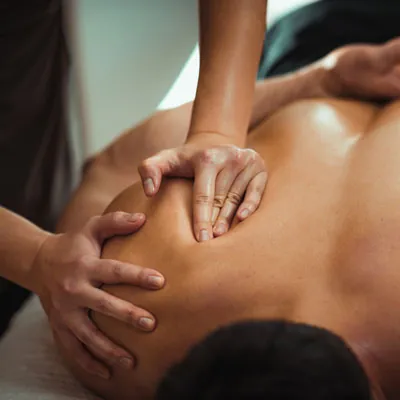
When people search for a Korean massage near Fort Lee or Palisades Park they usually mean one of two things: a Korean owned spa, or the specific style of firm acupressure that Korean therapists are known for. Hana Spa is both. We have been in Palisades Park for over a decade, Korean and English are spoken, and Korean style acupressure is one of the 14 services on our list.
The direct answer: Korean style acupressure is firm, steady pressure from the thumbs, palms and sometimes elbows along the body's meridian lines, done through clothing and without oil. It is close to Japanese shiatsu, which shares the same roots, but tends to be a little firmer and more rhythmic. This post explains the tradition, how it differs from the other styles on our menu, and what a session feels like at Hana Spa in Palisades Park.
The short answer: pressure, not strokes
Korean style acupressure works by pressing, not by gliding. A Swedish massage uses oil and long strokes across the skin. Acupressure uses no oil, so the therapist's hands stay in one place, sink in, hold, release and move to the next point. The pressure is deep but slow, and you stay in loose clothing the whole time.
The points follow the meridians, the lines that traditional East Asian medicine draws along the body. The therapist works down the back on either side of the spine, across the shoulders, along the arms and legs, and into the hands and feet. The idea in the tradition is to release blocked energy along those lines. In plain terms, the pressure relaxes tight muscle, and many people find the slow rhythm calming in a way that oil massage is not.
Where the tradition comes from
Acupressure is old and shared across East Asia. Chinese tuina, Japanese shiatsu and Korean jiap all come from the same body of traditional medicine, with the same meridian map and many of the same points. Each country developed its own feel. Korean practice is known for being direct and firm, with a lot of thumb and palm work and a steady rhythm that moves the whole length of the body.
Korean spa culture added something else: the habit of treating a spa visit as ordinary, not a luxury. In Korea a bathhouse and a massage are a regular part of the week for many families. That attitude is what we try to keep at Hana Spa, and it is why we are open every day from 9 AM to 11 PM and welcome walk ins. You can read more about our therapists and our approach.
Korean acupressure versus shiatsu, Thai and Swedish
The four styles overlap, and the right one depends on what you want. The table shows the practical differences, and our guide to Thai versus Swedish massage compares two of them in more depth.
| Style | Clothed or oil | Main technique | Pressure | Best for |
|---|---|---|---|---|
| Korean style acupressure | Clothed, no oil | Thumb and palm pressure along meridians | Firm, steady | Deep tension, people who prefer to stay dressed |
| Shiatsu | Clothed, no oil | Finger and palm pressure on points, some stretching | Medium to firm | Stress, stiffness, a quieter rhythm |
| Thai massage | Clothed, no oil | Compression plus assisted stretches | Medium, with movement | Flexibility, athletes, stiff hips |
| Swedish massage | Undressed to comfort, oil | Long gliding strokes, kneading | Light to medium | Relaxation, first timers |
Korean acupressure and shiatsu massage are the closest pair. If you have had shiatsu and wanted it a little firmer and more rhythmic, ask for the Korean style. If you have had deep tissue and liked the depth but not the oil, acupressure gives you the depth clothed. Our guide to Swedish versus deep tissue covers the oil based side of the menu.
What a session is like
The session is in a private treatment room on a padded table with fresh linens. Wear or bring soft, loose clothing, such as a T shirt and sweatpants, since you keep it on. The order of events is the same as every session at Hana Spa.
- A short conversation about sore spots, injuries, surgeries and how much pressure you want. This takes about 2 minutes and shapes the whole session.
- Face down first. The therapist works down both sides of the spine, across the shoulder blades and into the lower back and hips, pressing and holding each point for a few seconds.
- Legs and feet. Thumb pressure down the backs of the legs, then the calves and the soles.
- Face up. Arms, hands, the front of the shoulders and the neck, with gentle pressure around the head to finish.
- A few minutes to rest, then water. Rehydrate before you head back out to Bergen Boulevard.
Pressure is adjustable at every point. Firm should feel like a good ache that eases when the therapist lets go. If it feels sharp, say so, in Korean or English, and the therapist backs off at once.
Who it suits, and who should ask a doctor first
It suits anyone with deep tension who would rather stay dressed, anyone who dislikes oil on their skin, and anyone whose job leaves the back and shoulders locked up. Drivers crossing the George Washington Bridge every day, nurses, warehouse staff and people at a desk all tend to ask for it again.
Ask your doctor first if you are pregnant, if you have osteoporosis, a recent fracture, a blood clot, a bleeding disorder or recent surgery, or if you are on blood thinners. Firm pressure is not right for everyone, and we would rather plan around a condition than guess. Tell the therapist about anything that applies during the conversation at the start.
Acupressure is a traditional practice. Studies suggest it helps some people with tension and short term pain, but it does not treat disease and is not a substitute for medical care.
Why Palisades Park is the right town for it
Palisades Park has one of the largest Korean American communities in the country, and Bergen Boulevard and Broad Avenue are lined with Korean restaurants, bakeries and shops. A spa that does acupressure the traditional way fits here, and our regulars include many Korean families who grew up with it, along with neighbors from Fort Lee, Edgewater, Cliffside Park, Ridgefield, Leonia and Fairview who found it later.
Getting here is simple. From the George Washington Bridge, Route 46 and Route 4 both lead to Palisades Park, about six minutes from Fort Lee. NJ Transit route 154 runs along Bergen Boulevard and route 166 along Broad Avenue, so you can arrive without a car. Our guide to Asian massage in Palisades Park covers the other traditional styles, including Thai, shiatsu, cupping and reflexology.
Korean style acupressure at Hana Spa
Hana Spa is at 520 Bergen Blvd in Palisades Park, NJ, with free parking on site. We are open every day from 9 AM to 11 PM. Walk ins are welcome, and you can call 201-242-0444 to hold a time. Korean and English are spoken.
Ask for Korean style acupressure when you arrive or call, and tell the therapist the pressure you want. It is one of 14 services at Hana Spa, all done by licensed therapists in private rooms. Call for pricing.
Questions readers ask
Is Korean style acupressure the same as shiatsu?
They are close cousins from the same tradition, both clothed and without oil. The Korean style tends to be a little firmer and more rhythmic, with more thumb and palm work along the full length of the body.
Do I keep my clothes on for Korean acupressure?
Yes. Wear soft, loose clothing such as a T shirt and sweatpants. No oil is used, so nothing comes off and nothing gets on your clothes.
Will Korean acupressure leave me sore?
Some people feel a mild ache the next day after firm pressure, similar to a workout. It usually fades within a day. Drink water afterward and ask for lighter pressure next time if it was more than you wanted.