What Massage Therapy Is, and What a Licensed Therapist Trains In
Massage therapy is the manual treatment of the body's soft tissue: muscle, tendon, fascia and skin. A therapist uses the hands, forearms and sometimes elbows to press, knead, stroke and stretch that tissue with a goal in mind, whether that goal is a looser shoulder, a calmer nervous system or recovery after a hard week of training.
The direct answer to what sets massage therapy apart from a back rub is training and licensing. In New Jersey a massage therapist must hold a state license, which means hundreds of hours of approved education in anatomy, physiology, technique and safety, followed by an exam. At Hana Spa in Palisades Park every therapist is licensed and trained in several modalities. This guide explains what the training covers, what the main styles are, what the research says massage does, and how a session runs. You can read more about our team and our spa on the about page.
The short answer: skilled work on muscle and soft tissue
Massage therapy is a trained practice with a method. The therapist assesses what is tight or sore, chooses techniques for it, applies them in a planned order, and adjusts based on how the tissue responds. That is what makes it therapy rather than touch.
The basic techniques are shared across almost every style. Effleurage is the long gliding stroke that warms the tissue. Petrissage is kneading, lifting and rolling the muscle. Friction is small, deep movement across a fiber. Compression is steady pressure held in one place. Stretching moves a joint through its range while the muscle is relaxed. Different traditions combine these in different proportions, with or without oil, clothed or draped, and that is where the named styles come from.
What a licensed massage therapist trains in
Licensing exists so that the person working on your body understands what is under the skin. The training in an approved program typically covers these areas before a student can sit for the licensing exam.
- Anatomy and physiology: the muscles, bones, joints, nerves and circulation, and how they respond to pressure and heat.
- Kinesiology: how the body moves and which muscles cause which movements, so a tight hip or a stiff neck can be traced to the right tissue.
- Pathology and contraindications: the conditions that change how a session must be done, or mean it should not happen at all, such as blood clots, fractures, infections, certain cancers and pregnancy.
- Technique: supervised practice in Swedish, deep tissue and other modalities, with hundreds of hours of hands on work.
- Hygiene, draping and ethics: clean linens, proper covering, consent, boundaries and record keeping.
- Business and law: the state rules that govern the license.
New Jersey requires a minimum number of program hours, commonly 500, and a passing score on a national licensing exam, and the license must be renewed. Beyond the license, many therapists add training in specific modalities, which is how our therapists came to offer 14 different massage and spa services rather than one.
The main styles and what each is for
Most of what you will see on a spa menu is a variation on a few traditions. The table lists the ones offered at Hana Spa.
| Style | Clothed or oil | Pressure | What it is for |
|---|---|---|---|
| Swedish | Oil, draped | Light to medium | Relaxation, circulation, first visits |
| Deep tissue | Oil, draped | Firm | Chronic knots, desk and driving tension |
| Sports | Oil, draped | Firm, with stretches | Training recovery, tight hamstrings and hips |
| Hot stone | Oil, draped | Medium, with heat | Stiff muscles, cold months |
| Aromatherapy | Scented oil, draped | Light to medium | Stress, sleep, a stuffy head |
| Shiatsu | Clothed, no oil | Medium to firm | Point pressure along meridians |
| Thai | Clothed, no oil | Medium, with stretches | Flexibility and stiff joints |
| Korean style acupressure | Clothed, no oil | Firm | Deep tension without oil |
| Foot and hand reflexology | Clothed | Firm, specific | Tired feet and hands, relaxation |
| Cupping | Oil, draped | Suction | Tight backs and shoulders |
If you have never had a massage, start with Swedish. Our guide to what a Swedish massage is explains the strokes and the draping, and almost every other style is a variation on it. For reflexology, our foot reflexology chart explains how the feet are worked zone by zone.
What massage therapy does, according to the research
The strongest evidence is for short term relief. Studies suggest massage reduces muscle tension and pain for hours to days, lowers measures of stress such as heart rate and reported anxiety, and improves how far people can move a stiff joint. Reviews of lower back pain, neck pain and recovery after exercise generally find a benefit, though the effect size varies and many studies are small. For one style in detail, our guide to hot stone massage benefits lists the sources behind each claim.
What massage does not do is cure disease, release stored toxins or replace medical treatment. Many people find it helps them sleep, manage a long commute over the George Washington Bridge or recover between workouts, and that is reason enough. If you have a medical condition, or if you are pregnant, ask your doctor before booking and tell the therapist what they said.
What a session looks like
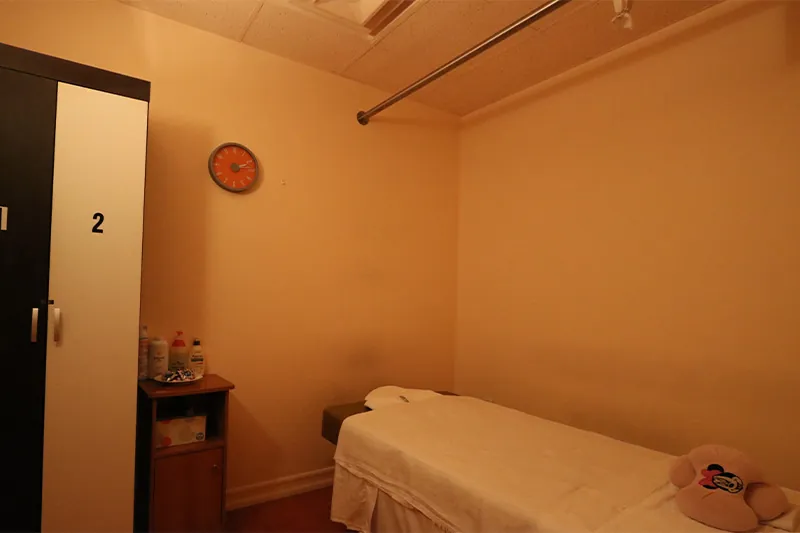
A session at Hana Spa is in a private treatment room with a padded table and fresh linens, and it follows the same shape whichever style you pick.
- A short conversation, about 2 minutes, on sore spots, injuries, surgeries, pregnancy and the pressure you want.
- For oil based styles, you undress to your comfort level and lie under the sheet. Draping covers everything except the area being worked. For clothed styles you stay in loose clothing.
- The work itself, in a planned order, with the pressure adjusted whenever you ask.
- A few minutes to rest on the table before you dress.
- Water, and a few minutes in reception before you drive home.
Tell the therapist anything that matters during the conversation. A licensed therapist is trained to work around conditions, and they can only do that if they know.
Who should ask a doctor first
Most healthy adults can book without a second thought. A few groups should check with a doctor before any massage, and should tell the therapist at the start.
- Anyone who is pregnant.
- Anyone with a blood clot, a bleeding disorder or on blood thinners.
- Anyone with a recent fracture, surgery, open wound or skin infection.
- Anyone with osteoporosis, heart disease, cancer, diabetes with nerve damage or an unexplained lump.
- Anyone with a fever or a contagious illness, who should wait until they are well.
A licensed therapist will ask about all of these. The question is not meant to turn you away; it is how the therapist decides where to press, where to avoid and how firm to go.
Licensed massage therapy at Hana Spa in Palisades Park
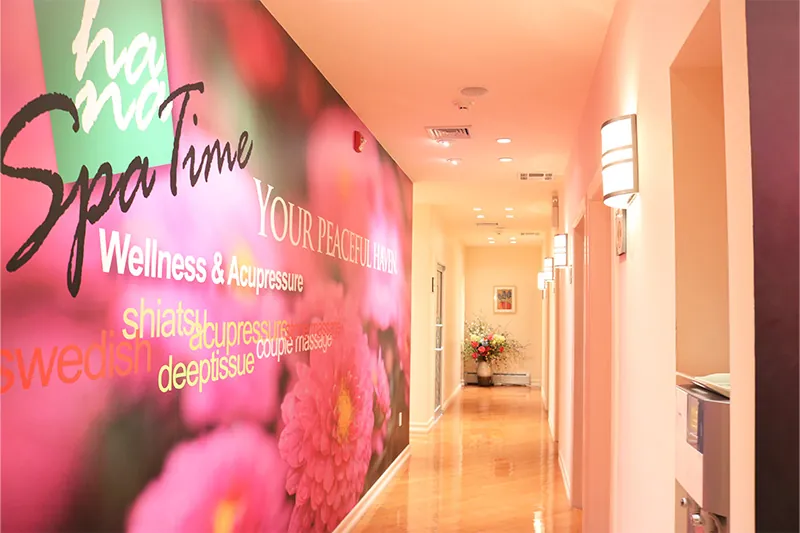
Hana Spa is at 520 Bergen Blvd in Palisades Park, NJ, six minutes from Fort Lee and the George Washington Bridge, with free parking on site. We are open every day from 9 AM to 11 PM. Walk ins are welcome, and you can call 201-242-0444 to hold a time. Korean and English are spoken.
Every therapist at Hana Spa is licensed and trained in several modalities, and every session is in a private room. You can read about our team and our decade in Palisades Park on the about page. Call for pricing.
Questions readers ask
How do I know a massage therapist is properly trained?
Ask whether they hold a state license. In New Jersey that means an approved program of hundreds of hours plus a licensing exam. Every therapist at Hana Spa is licensed.
Is massage therapy the same as physical therapy?
No. Physical therapy is a licensed medical profession that diagnoses and treats movement problems with exercise and manual work. Massage therapy works on soft tissue for relief and relaxation and does not diagnose. The two often complement each other.
What is the difference between a spa massage and a medical massage?
The techniques are the same. A medical massage is prescribed by a doctor for a specific condition and follows a treatment plan. A spa massage is chosen by you for relief or relaxation. A licensed therapist can do either.
Which style should a complete beginner choose?
Swedish. It is the gentlest, it introduces the draping and the pace, and most other styles build on it. Tell the therapist it is your first time and they will explain each step.