Do Massages Release Toxins? What Actually Happens After a Session
Almost everyone who has had a massage has heard the line: drink plenty of water to flush out the toxins. It gets repeated at front desks, in magazines and in group chats, and it sounds sensible enough. It is also not how the body works.
The direct answer is that a massage does not release toxins. There is no stored poison in a tight muscle waiting to be squeezed out, and water does not flush anything that the liver and kidneys are not already handling on their own. What a massage does do is real and measurable: it changes blood flow, muscle tension and the state of your nervous system. This post explains where the toxin idea came from, what actually happens in your body during a massage in Palisades Park, and why you still feel thirsty and sleepy afterward.
The short answer: massage does not release toxins
No, a massage does not release toxins. The word toxin describes substances that harm the body, and the body does not store them in muscle tissue for a therapist to press out. Waste products from normal metabolism are cleared by the liver, the kidneys and the lungs, and that process runs the same whether you are on a massage table or on the couch.
This matters because the toxin story leads to bad advice. People drink far more water than they need, skip a session because they feel they cannot handle a detox, or assume the soreness they feel the next day is poison leaving the body. None of that is true, and it gets in the way of the real benefits.
The honest version is better anyway. A massage shifts your nervous system out of its alert state, loosens tissue that has been held tight for weeks, and moves blood and lymph through muscle that has been sitting still. Those effects are the reason people leave Hana Spa feeling lighter, and none of them require a myth to explain them.
Where the toxin idea came from
The toxin story grew out of an older idea about lactic acid. For decades, massage textbooks taught that lactic acid builds up in muscle during exercise, causes soreness, and can be pushed out by massage. Research since then has shown that lactate is cleared from muscle within about an hour of exercise on its own, and that it is not the cause of next day soreness.
Two other things kept the story alive. First, people genuinely do feel different after a massage: thirsty, tired, sometimes a little headachy. Something is clearly happening, and toxins leaving the body sounded like a fitting explanation. Second, the detox idea sells. A session that removes something harmful feels more valuable than one that simply relaxes you, so the line stuck.
Published research in the massage profession has worked to retire the claim. Professional journals in the field have run articles on massage myths that put toxin release near the top of the list, alongside the lactic acid idea it came from.
What actually happens in your body during a massage
During a massage, four things change: local blood flow, muscle tension, nervous system state, and the movement of fluid through the tissue. Each one is enough to explain how you feel afterward without any toxins involved.
Blood flow to the worked area goes up
Pressure and friction warm the tissue and widen the small vessels in it. More blood arrives, which is why the skin looks pink after firm work. Studies suggest this effect is local and temporary rather than a whole body change, but it is real.
Muscle tension drops
Slow, sustained pressure signals the nervous system to let a guarded muscle relax. This is the part you can feel: a shoulder that sat up by your ear for weeks settles down. Nothing has been removed; the muscle has simply stopped holding.
Your nervous system changes gears
A quiet room, steady touch and an hour of lying still shift the body toward its rest state. Heart rate and blood pressure tend to drop. Many people find this is the strongest effect of all and the one that lasts longest into the evening.
Fluid moves
Strokes toward the heart help move blood and lymph through tissue that has been sitting still. This is the closest thing to flushing that actually happens, and it is modest. The lymphatic system moves on its own with every breath and step you take.
What metabolic waste is, and who clears it
Metabolic waste is the normal byproduct of cells doing their work: carbon dioxide, lactate, urea and similar compounds. It is not toxic in the amounts a healthy body produces, and it is cleared continuously by organs built for the job.
The division of labor looks like this:
- Lungs remove carbon dioxide with every exhale.
- Liver processes compounds in the blood and sends them on for disposal.
- Kidneys filter the blood and send waste out as urine.
- Muscle itself recycles lactate as fuel within about an hour of exercise.
Massage is not the only way to move metabolic waste, and it is not even a main way. A brisk walk does more for circulation than an hour on the table. The value of a session lies in tension, pain and stress, not in cleaning the blood.
Lymphatic massage deserves a mention because it is often where the toxin story hides. Lymphatic drainage is a light, specific technique used in medical settings, for example after certain surgeries, to help move fluid when the lymph system has been disrupted. It is useful in those cases. It still does not remove toxins, and it is not the same thing as a Swedish or deep tissue session.
Why you feel thirsty, tired or lightheaded afterward
The post massage feeling that gets blamed on toxins has ordinary causes: you have been lying still in a warm room for an hour, your blood pressure has dropped, and your body has shifted into rest mode. Here is each symptom and its likely source.
| What you feel | Likely cause | What helps |
|---|---|---|
| Thirsty | A warm room, oil on the skin, an hour without a drink | A glass of water |
| Sleepy | Nervous system in rest mode, lowered heart rate | Rest, an early night |
| Lightheaded standing up | Blood pressure drop after lying down | Sit up slowly, wait a minute before standing |
| Mild headache | Dehydration, neck work, low blood sugar | Water and a light snack |
| Sore the next day | Muscle worked harder than usual | Gentle movement, heat, time |
Next day soreness is the one most often called detox. It is the same mild ache you get after exercise, and it follows the same curve: peaks around 24 hours, gone by 48. A full guide is in sore after a deep tissue massage.
Every session at Hana Spa ends with time to rest and rehydrate before you get up, which takes care of the lightheaded moment that catches people who hop straight off the table.
Should you drink a lot of water after a massage?
Drink a glass of water after a massage because you are probably a little thirsty, not because it flushes anything. There is no need to chug, and drinking far more than usual can leave you feeling worse, not better.
A sensible routine after a session looks like this:
- Sit up slowly and rest on the table for a minute or two.
- Drink one glass of water, 8 to 12 ounces, before you leave.
- Eat something light within an hour or two if you came in hungry.
- Walk for 10 to 15 minutes at some point in the evening.
- Keep your normal water intake for the next 24 hours, without forcing it.
- Skip alcohol the same evening; it adds to the dehydration and the drowsy feeling.
If you have a medical condition that affects your kidneys, heart or fluid balance, or if you are pregnant, follow the water guidance your doctor has given you rather than any general rule. The same goes for massage itself: ask your doctor first, and tell the therapist at the start of the session so they can adjust.
What the research actually supports
Research on massage supports benefits for pain, anxiety, sleep and tension, and does not support toxin release. Separating the two lets you book for the right reasons.
| Claim | What published research suggests |
|---|---|
| Massage releases toxins | Not supported; the body has no stored toxins in muscle |
| Massage flushes lactic acid | Not supported; lactate clears on its own within about an hour |
| Massage reduces short term pain | Supported for back, neck and shoulder pain in many studies |
| Massage lowers anxiety and stress | Supported; many people report calmer mood for hours to days |
| Massage improves sleep | Suggested, especially when sessions are regular |
| Massage reduces next day exercise soreness | Suggested when done after training |
These are modest, hedged findings, and they do not promise a cure for anything. On the training point, our guide to massage before or after a workout covers timing. They are also plenty. A regular session that eases a stiff neck and helps you sleep is worth booking on its own terms, and the full list of styles, from Swedish to shiatsu to hot stone, is on the services page.
What to expect after a session at Hana Spa
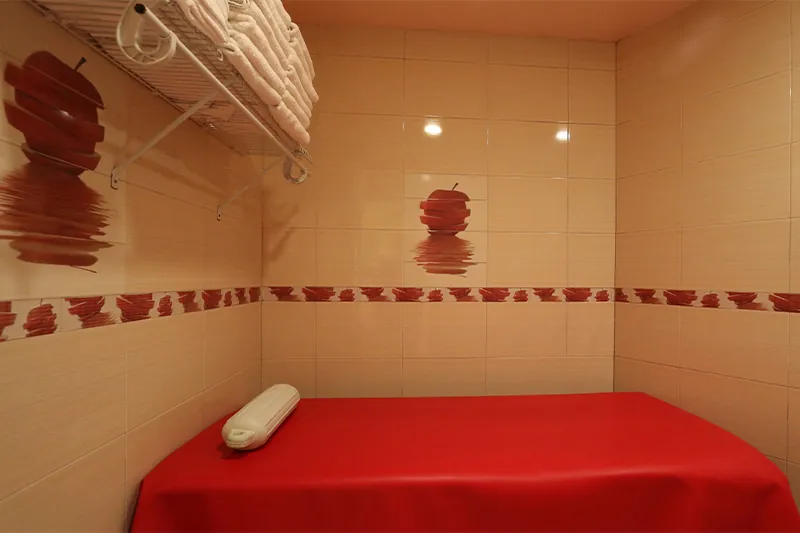
After a massage at Hana Spa you can expect to feel loose, calm and a little sleepy, to be thirsty enough for a glass of water, and possibly to feel a mild ache the next day if the pressure was firm. No detox, no flush, just a body that has spent an hour at rest. Every session takes place in a private treatment room on a padded table with fresh linens, and starts with a short conversation about sore spots, injuries and pressure. The styles and combos are listed on the massage page, and pricing is by phone.
Hana Spa is at 520 Bergen Blvd in Palisades Park, six minutes from Fort Lee and the George Washington Bridge, open every day from 9 AM to 11 PM. Walk ins are welcome, or call 201-242-0444 to hold a time. Free parking is on site, and NJ Transit route 154 runs along Bergen Boulevard with route 166 on Broad Avenue. Korean and English are spoken.
Questions readers ask
Why do I feel sick after a massage if it is not toxins?
The usual causes are low blood pressure after lying down, mild dehydration, an empty stomach or very firm pressure. Sit up slowly, drink water and eat something light. If it happens every time, ask for lighter pressure.
Does a hot stone or deep tissue massage release more toxins than a Swedish one?
No style releases toxins. Deeper work can leave more next day soreness because the muscle was worked harder, which is the same thing you feel after exercise.
Is it bad to skip water after a massage?
It is not dangerous, but you will likely feel thirsty and a little headachy. One glass of water before you leave is enough for most people.
Can massage help with a hangover or a detox from alcohol?
Massage can make you feel calmer, but it does not speed up how the liver processes alcohol. If you are dehydrated or unwell, rest and water come first, and the session can wait.