Thai vs Swedish Massage: Stretching vs Strokes
Thai and Swedish massage sit at opposite ends of the massage menu. One is done fully clothed on a wide surface, with the therapist moving your body through stretches and pressing along lines of energy. The other is done under a sheet with oil, long strokes and kneading. Both leave you looser; they get there by different roads.
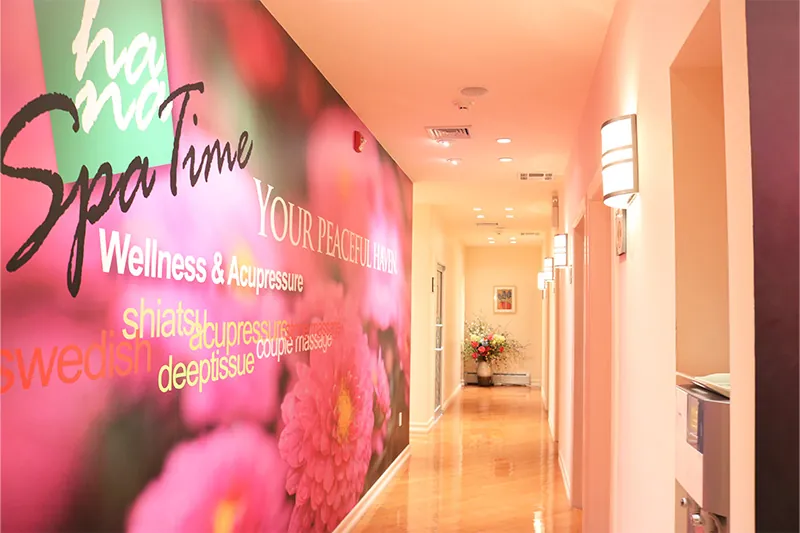
In short: pick Thai massage if you want to be stretched and feel more mobile, and pick Swedish if you want to lie still, be worked on and feel calm. The sections below cover where each comes from, what you wear, what you do during a Thai session, the techniques side by side, what the research says and a set of common situations with a pick for each. Both are offered at Hana Spa in Palisades Park.
Where each massage comes from
Thai massage is roughly two thousand years old and comes out of the same tradition as yoga and Ayurvedic medicine, carried to Thailand with Buddhism and preserved in temple schools. Swedish massage is a nineteenth century European system that was organized into named strokes and taught in medical settings. The two were never meant to do the same job. The tradition behind Hana Spa itself, Korean style acupressure, is a third approach again.
Thai massage
The traditional name translates loosely as pressing and stretching, which is a fair description. The practice is built around sen lines, pathways through the body that practitioners press along with thumbs, palms, elbows and feet. Between the pressing, the therapist moves you into stretches that look a lot like assisted yoga poses. The philosophy is that the body works better when those lines are open and the joints move through their full range.
Swedish massage
Swedish massage grew out of European gymnastics and early physiotherapy. The strokes were codified to improve circulation and relax the muscles, and the style spread through spas and clinics across the West. The philosophy is physical rather than energetic: warm the tissue, move fluid, release tension, calm the nervous system. It is the base that most Western therapists train in first.
Clothes on vs oil and draping
Thai massage is done in loose clothes with no oil. Swedish massage is done undressed to your comfort, under a sheet, with oil. This is the most practical difference between the two and the one that decides it for a lot of first timers.
For Thai massage, wear something you could stretch in: a T shirt and soft pants or shorts. The therapist needs to move your legs and arms freely, so jeans and anything stiff get in the way. There is no undressing and no drape because none is needed. Traditional Thai massage is done on a floor mat; in a spa setting it is often done on a wide padded table, and either way you stay clothed throughout.
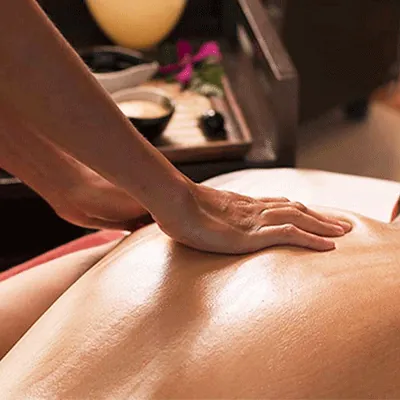
For Swedish massage, you are left alone in the room to undress as far as you are comfortable and lie under the sheet. Only the area being worked is uncovered, and it is covered again before the therapist moves on. Oil goes on the skin so the strokes glide. At Hana Spa both styles happen in a private treatment room, and the session starts with the same short conversation about sore spots, injuries and pressure.
What you do during a Thai massage
In a Swedish massage you lie still. In a Thai massage you take part. The therapist positions you, asks you to breathe out, and moves your body through the stretch while you stay relaxed. Your job is to let go of the limb rather than help, which is harder than it sounds.
A Thai session usually moves through four positions. You start lying on your back while the therapist presses along the legs and moves them through hip and hamstring stretches. Then you turn on each side for hip and shoulder work. Then face down for the back and the backs of the legs, often with the therapist using forearms or feet for broad pressure. The session finishes seated, with the therapist behind you for neck, shoulder and spinal twists.
Throughout, the therapist uses body weight rather than muscle to apply pressure, and the stretches are held for a few breaths rather than bounced. You can ask for any stretch to be eased or skipped. If you have a hip, knee or back condition, ask your doctor before booking and tell the therapist at the start so the positions can be adjusted. Nothing in a good Thai massage should be forced.
Techniques side by side
The table lays out what each style actually does to the body. The last two rows matter most when you are choosing.
| Feature | Thai massage | Swedish massage |
|---|---|---|
| Clothing | Loose clothes on | Undressed to comfort, draped |
| Oil | None | Yes |
| Main moves | Acupressure along sen lines, assisted stretches, rhythmic compression | Gliding strokes, kneading, friction, tapping, vibration |
| Therapist uses | Thumbs, palms, elbows, knees, feet, body weight | Palms, fingers, forearms |
| Your role | Active: breathe, release, move with the stretch | Passive: lie still |
| Pressure | Firm, rhythmic | Light to medium, flowing |
| Feels like after | Taller, looser joints, energized | Calm, heavy limbs, sleepy |
Both are listed on the Hana Spa services page, along with the shiatsu massage that shares Thai massage's clothed, oil free, acupressure approach but without the big stretches.
Benefits of each, with sources
Both styles have research behind them, mostly small trials, and the findings line up with what you would expect: Thai massage shows up in studies on flexibility and back pain, Swedish in studies on stress, sleep and general muscle pain. Neither is a treatment for a diagnosed condition, and if you have one, ask your doctor first.
Thai massage
Published research on Thai massage, including small trials from Thai universities, suggests improvements in hamstring flexibility and range of motion after a course of sessions, and reductions in chronic low back pain comparable to other hands on therapies. Many people find the effect on stiff hips and shoulders is noticeable after a single session, and the energized feeling afterward is the most common thing first timers mention.
Swedish massage
A 2011 trial in the Annals of Internal Medicine found that weekly massage for ten weeks helped adults with chronic low back pain more than usual care, with benefits still measurable at six months. A 2010 study in the Journal of Alternative and Complementary Medicine found a single Swedish session lowered cortisol compared with light touch. Studies suggest better sleep on massage days, and many people find the calm lasts into the following day.
Common scenarios and which to pick
Most people choosing between these two are in one of a handful of situations. Here is the pick for each.
After a workout or a long run
Thai massage, a day or two later. The stretches get into the hips, hamstrings and calves in a way that strokes cannot, and the compression helps with the heavy legs feeling. If you are too sore to be stretched, Swedish first and Thai next week.
A desk week or a long drive
Either, depending on what hurts. A stiff neck and tight shoulders from a screen respond well to Swedish kneading. Tight hips and a low back that has been sitting in traffic on Route 46 are a Thai massage job, because the stretches open what the chair closed.
Your first massage
Swedish. It is predictable, nothing surprises you and you learn what pressure you like. Our guide to what a Swedish massage is walks first timers through it. Thai massage is a better second visit, once you know you are comfortable with a therapist moving your body.
Stiff hips and a tight back
Thai. This is the case the style was built for. Expect the hip stretches to be the part you remember.
Stress, poor sleep, you just want to switch off
Swedish, ideally in the evening. Hana Spa is open until 11 PM every day, which leaves time for a session and an early night. For a scented version, our guide to aromatherapy massage explains lavender, eucalyptus and peppermint.
You do not want to undress
Thai, or shiatsu. Both are clothed and oil free. This is a perfectly good reason to choose, and nobody at the front desk needs an explanation.
How to choose
Ask yourself one question: do I want to be stretched or do I want to be soothed. Stretched means Thai. Soothed means Swedish. If the answer is both, book Swedish now and Thai next time, or ask for a Swedish massage with a few assisted stretches on the legs at the end, which a therapist trained in both can do. If your choice is really between Swedish and a firmer style, see Swedish versus deep tissue.
- Decide what you want to feel afterward. Mobile and awake points to Thai; calm and heavy points to Swedish.
- Check your body. A recent injury, a joint problem or a condition your doctor is treating should be cleared before Thai stretches. Swedish can usually work around an area.
- Think about clothing. If you would rather stay dressed, Thai or shiatsu.
- Tell the therapist. The short conversation at the start is where pressure and problem areas get set, for either style.
The page on full body massage in Palisades Park describes how a session runs from the door to the rest afterward, and the one on Thai massage in Bergen County covers that style on its own.
Both at Hana Spa, private rooms, 9 AM to 11 PM
Hana Spa offers Thai massage and Swedish massage, along with twelve other services, at 520 Bergen Blvd in Palisades Park. Every session is in a private treatment room with fresh linens, the therapists are licensed and trained in several modalities, and Korean and English are spoken at the desk.
The spa is open every day from 9 AM to 11 PM, with free parking on site. Walk ins are welcome, or call 201-242-0444 to hold a time and ask about pricing. The NJ Transit 154 bus runs along Bergen Boulevard, and the full menu is on the services page.
Questions readers ask
Can I get a Thai massage if I am not flexible?
Yes. The therapist takes each stretch only as far as your body allows and holds it for a few breaths. Stiff people often get the most out of it. Tell the therapist about any joint that worries you at the start.
Is Thai massage good for lower back pain?
Many people find it helps, and published research on chronic low back pain points the same way. If the pain is new, sharp or runs down a leg, ask your doctor before booking and mention it to the therapist.
How long does the loose feeling last after a Thai massage?
Usually a few days, longer if you keep moving. Regulars who sit all week tend to book every two to four weeks to keep hips and shoulders from closing back up.
Can I combine Thai stretches with a Swedish massage?
Yes. Ask for a Swedish massage with a few assisted stretches on the legs and hips at the end. Therapists at Hana Spa are trained in several modalities, so blending the two in one session is routine.