What a Hot Stone Massage Does That Hands Alone Cannot
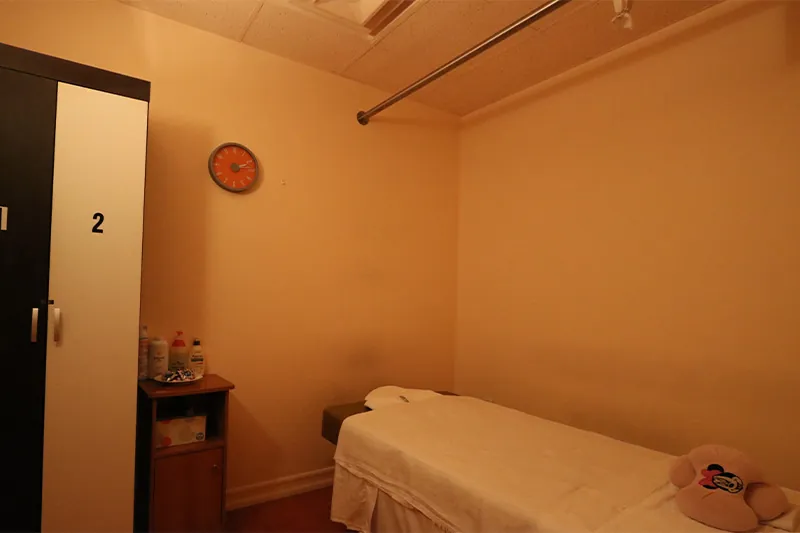
A hot stone massage is a full body massage in which smooth, heated basalt stones are used two ways: placed on the body to rest while the heat soaks in, and held in the therapist's hands as a tool for the strokes. The heat relaxes the muscle before any pressure is applied, which is the whole point.
What hands alone cannot do is warm a muscle from the surface down in a few minutes. Heat does that, and a warmed muscle lets a medium pressure stroke reach as deep as a firm one would on cold tissue, without the soreness afterward. This post walks through what happens in the room at Hana Spa in Palisades Park, what the stones are and how they are heated, what the research says, who should skip it, how often to book and why late fall through early spring is its season in Bergen County.
What happens in the room
A hot stone massage at Hana Spa runs like a Swedish massage with heat added: a short conversation, a private treatment room, oil, draping, and then stones placed and used over about the same length of session. Here is the order most sessions follow.
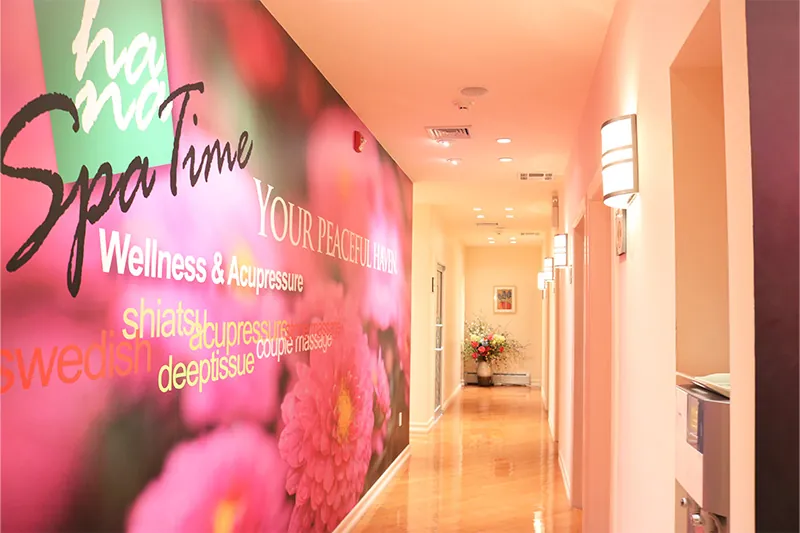
- The conversation. The therapist asks about sore spots, injuries, pressure and anything on the safety list below. Say if you run hot or have sensitive skin.
- Undress and settle. You are left alone to undress to your comfort and lie face down under the sheet on the padded table.
- Warming strokes. Oil goes on and the therapist opens with Swedish strokes by hand so the skin is ready for heat.
- Placement. Stones are set along the spine, on the shoulders, in the palms, sometimes between the toes, usually over a towel or the sheet at first. They rest while the therapist works elsewhere.
- Stones as tools. The therapist holds a stone in each palm and uses it for long strokes on the back, legs and arms, swapping for a fresh warm stone as each one cools.
- Turn over. Stones come off, you turn under the drape, and the front of the legs, arms, neck and shoulders get the same treatment.
- Rest and water. A few minutes to lie still, then time to sit up slowly and rehydrate.
Stones never go on bare skin at full heat without being checked, and you should say so immediately if any stone feels too hot. A fresh stone is always a shade warmer than the one it replaces, so speaking up in the first seconds is normal.
The stones: basalt, how they are heated and placed
The stones are basalt, a dark volcanic rock that holds heat longer than most stone and polishes smooth. They come in sizes from a palm sized oval for the back to small discs for between the toes, and they are heated in water before the session.
Why basalt
Basalt is dense and rich in iron, which is why it stays warm for several minutes after it leaves the water. Lighter stones cool too fast to be useful and rough stones drag on oiled skin. The river tumbled shape matters as much as the rock: every stone the therapist picks up has to glide.
How they are heated
Stones are warmed in a water bath, not dry heat, so the temperature is even through the whole stone and there are no hot spots. In most practice the water sits in a range that makes the stones hot to the touch but safe on skin through a sheet or towel, and the therapist tests each stone on the back of their own hand or forearm before it goes anywhere near you.
Where they go
Resting stones follow the spine and the big muscle groups: either side of the backbone, the tops of the shoulders, the backs of the thighs, the palms. Working stones go wherever the hands would go, with the stone taking the place of the heel of the hand on long strokes. Some therapists finish with a cool stone on the forehead or neck, which feels startling and then very good.
Why heat changes the massage
Heat does three things to a muscle in a few minutes: it increases blood flow to the area, it lowers the muscle's resting tension, and it makes the connective tissue around it more pliable. Hands can do all three too, but slowly, and only by working the muscle, which is what a tight muscle resists.
The practical result is that a hot stone massage gets a medium pressure stroke to the depth of a firm one. Someone who finds deep tissue work too intense but finds Swedish too light often finds hot stone the answer, because the heat does the first half of the job. It also explains why people who are chronically cold, or who tense up on a table, relax faster under stones than under hands.
There is a nervous system side as well. Steady warmth on the back and palms is one of the oldest signals of safety the body knows, and many people find they drop into a deeper rest under the stones than in any other massage. That drowsy, heavy feeling is the heat, not the pressure.
Benefits, with sources
Research specific to hot stone massage is thin; most of what can be said comes from studies of massage in general and of heat therapy, and the two together make a reasonable case. Treat the benefits below as likely rather than proven, and ask your doctor if you are using massage to manage a condition.
Muscle tension and pain
A 2011 trial in the Annals of Internal Medicine found weekly massage over ten weeks reduced chronic low back pain more than usual care. Separately, published research on heat therapy shows warmth eases muscle pain and stiffness in the short term. Hot stone combines the two, and many people with tight shoulders and low backs find it reaches further than a regular massage at the same pressure.
Stress and sleep
Studies suggest a single massage session lowers cortisol, and many people report sleeping better on massage days. Heat seems to add to the effect; the heavy, drowsy feeling under the stones is why evening hot stone sessions are popular, and Hana Spa stays open until 11 PM every day.
Circulation and cold hands and feet
Warmth widens blood vessels near the surface, which is why skin flushes under a stone. People who are always cold in winter often find their hands and feet stay warm for hours afterward. This is a short term effect, not a treatment for a circulation disorder.
Other claims
Hot stone massage is sometimes said to ease symptoms of autoimmune conditions, help immune function or reduce symptoms during cancer treatment. The research behind those claims is small and mostly about massage generally. If any of those apply to you, talk to your doctor before booking, since heat changes what is safe.
Risks and who should skip it
The main risk is a burn, and the second is heat on a body that should not be warmed. Both are avoidable by telling the therapist what applies to you and by speaking up the moment a stone feels too hot.
- Reduced sensation. Diabetes with nerve changes, neuropathy, recent nerve injury or numb patches from any cause. If you cannot feel a stone getting too hot you cannot warn the therapist. Choose a different massage or ask your doctor first.
- Skin conditions. Sunburn, rashes, eczema flares, open wounds, recent tattoos or very thin, fragile skin. Heat and oil on broken skin is a bad combination; the area is skipped or the style changed.
- Pregnancy. Heat over the trunk is usually avoided. Ask your doctor, and consider a gentle Swedish massage instead.
- Heart conditions and high blood pressure. Heat changes blood flow. Many people with managed conditions are fine, but your doctor should say so.
- Blood thinners, easy bruising, varicose veins. Stones used as tools add pressure; ask for them as resting weights only, or go lighter.
- Recent surgery, fractures or inflammation. No heat on a swollen or healing area until cleared.
- Fever, infection, feeling unwell. Reschedule.
Expect to feel warm and a little drowsy afterward. Drink water, avoid the sauna if you already feel overheated and skip alcohol that evening. Mild redness where stones rested fades within an hour. A mark that stings or lasts is a burn and should be mentioned at the desk.
How often to book a hot stone massage
For most people, once a month in the cold months is the useful rhythm, with a Swedish or deep tissue session in between if the budget allows. There is no benefit to stacking hot stone sessions days apart, since the effect of the heat lasts a day or two and the looser muscles last a week or more.
| Goal | Suggested rhythm | Notes |
|---|---|---|
| Cold months, general stiffness | Every 3 to 4 weeks | November through March in Bergen County |
| Chronic tight shoulders or low back | Every 2 to 3 weeks at first, then monthly | Alternate with deep tissue if pressure is tolerated |
| Stress and sleep | Every 4 to 6 weeks | Evening sessions, spa open until 11 PM |
| A treat or a gift | As wanted | Pairs well with the steam sauna or a package |
If you are managing a medical condition, the schedule belongs in a conversation with your doctor rather than a table. If you train, our guide to massage before or after a workout covers timing around the gym. Pricing is by phone, so call with the rhythm you have in mind and ask what fits.
A brief history
Heated stones have been used on the body for a very long time. Healers in China were warming stones to ease pain roughly two thousand years ago, Native American sweat lodge traditions used hot rocks for both warmth and ritual, and Hawaiian lomi lomi practice placed warm lava stones on the body. None of those was a massage in the modern spa sense, but all of them worked from the same observation: warmth on a muscle makes it let go.
The hot stone massage on a spa menu today dates to 1993, when a massage therapist in Arizona began combining heated basalt stones with Swedish strokes and teaching the method under a trademarked name. It spread through spas in the late 1990s and has been a standard offering since. The basics have not changed: basalt, a water bath, stones that rest and stones that work.
Hot stone vs deep tissue vs aromatherapy at Hana Spa
These three are the ones people weigh against each other on the Hana Spa services page, and each answers a different need. Hot stone is for warmth and depth without intensity, deep tissue is for intensity, and aromatherapy is for the senses.
Hot stone vs deep tissue
Deep tissue reaches the deeper muscle by slowing down and pressing harder, and it often leaves you sore for a day. Hot stone reaches a similar depth by warming the muscle first, with medium pressure and little soreness. If you want the knot gone and do not mind feeling it tomorrow, deep tissue. If you want the knot eased and to float out, hot stone.
Hot stone vs aromatherapy
Aromatherapy massage at Hana Spa is a Swedish massage with essential oils such as lavender, eucalyptus or peppermint added. The pressure is the same as Swedish; the difference is scent and the mood it sets. Hot stone is about heat and depth. People who want to relax but have no particular tight spot often prefer aromatherapy; people who arrive stiff and cold prefer stones.
Combining them
Hot stone pairs naturally with the steam sauna, and the spa packages page lists combos such as the Body and Foot combo and the Massage and Facial combo that can be built around a full body session. The full body massage page explains how any of these runs from the door to the rest afterward.
Best season for it in Bergen County, and how to book
Late fall through early spring is hot stone season. The first cold morning on the George Washington Bridge, the January week when the wind comes off the Hudson, the damp March that will not end: that is when people walk into Hana Spa stiff and cold and ask for stones. Summer bookings exist, mostly from people with chronically tight backs, but the warmth is a different pleasure when it is 20 degrees outside.
Hana Spa is at 520 Bergen Blvd in Palisades Park, open every day from 9 AM to 11 PM, with free parking on site. Walk ins are welcome, or call 201-242-0444 to hold a time and ask about pricing. The NJ Transit 154 bus runs along Bergen Boulevard, the spa is six minutes from Fort Lee and the bridge, and hot stone massage is listed with the rest of the menu on the services page.
Questions readers ask
Are the stones placed directly on the skin?
Resting stones usually go over a towel or the sheet first and move to bare skin only once you have said the heat is comfortable. Working stones are oiled and glide on the skin, and the therapist checks each one against their own hand first.
Can a hot stone massage burn you?
It can if a stone is too hot or rests too long, which is why the therapist tests each stone and why you should speak up the instant one feels too warm. Mild pink skin that fades in an hour is normal; a stinging mark is not.
Is hot stone massage good for back pain?
Many people with tight, achy backs find it reaches deeper than a regular massage at the same pressure, and research on massage and on heat both point that way. For a diagnosed back condition or pain that runs down a leg, ask your doctor first.
Can I have a hot stone massage in summer?
Yes. The room is kept comfortable and the stones warm the muscle rather than the room. If you already feel overheated when you arrive, say so and the therapist can use fewer resting stones.