How Often You Should Get a Massage, by Goal

There is no single right answer to how often you should get a massage, but there is a right answer for each goal. Someone who wants to feel generally looser needs a different rhythm from someone managing a tight low back, a runner in a training block or a person who sleeps badly when stressed.
The short version: once a month for general wellbeing, every one to two weeks while you are working on a specific problem, and weekly or more during heavy training, then stretch the gaps out as the problem settles. This post gives a schedule by goal, by massage style and by condition, covers pregnancy and athletes, and explains what should change the number for you. All of it applies to the full body sessions at Hana Spa in Palisades Park.
The short answer, by goal
Match the frequency to the reason you are booking. The table below is the starting point most therapists would give; adjust it by how your body responds after the first three or four sessions.
| Goal | Suggested rhythm | Typical style |
|---|---|---|
| General wellbeing, feeling looser | Every 4 weeks | Swedish or aromatherapy |
| Stress, poor sleep | Every 2 to 4 weeks | Swedish, hot stone, aromatherapy |
| Desk tension, neck and shoulders | Every 2 weeks at first, then monthly | Deep tissue, shiatsu |
| Chronic low back or hip tightness | Weekly for 4 to 6 weeks, then every 2 to 4 weeks | Deep tissue, Thai |
| Training block, sports recovery | Weekly, or around events | Sports massage |
| Standing all day, tired feet | Every 1 to 2 weeks | Foot reflexology |
| A treat | Whenever | Any |
Every row assumes a healthy adult. If you are managing a medical condition, pregnant or recovering from an injury, the number belongs in a conversation with your doctor first; more on that below. Styles are described on the full body massage page.
Why regular beats occasional
A single massage feels good for a day or two. A series changes how the muscle behaves between sessions, which is the benefit most people are actually after.
The research supports this. A 2011 trial in the Annals of Internal Medicine gave adults with chronic low back pain weekly massage for ten weeks and found less pain and better function than usual care, with the gain still measurable at six months. The course mattered; it was not one session. A 2010 study in the Journal of Alternative and Complementary Medicine found a single Swedish massage lowered cortisol, and studies suggest the effect on stress and sleep builds when sessions are regular rather than rare.
Many people also find that a regular slot catches tension before it becomes pain. The shoulders that are merely tight at week three are a knot by week six, and the knot takes two sessions to undo instead of one. Monthly is cheaper than crisis booking.
How the type of massage changes the schedule
Lighter styles can be booked as often as you like; deeper styles need recovery time between sessions. The style you choose sets the floor on how close together sessions can sensibly be.
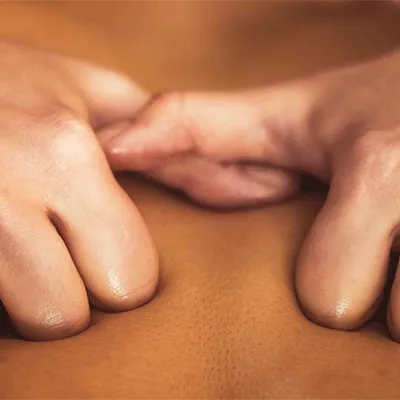
- Swedish and aromatherapy. Light to medium pressure, no recovery needed. Weekly is fine if the budget allows; monthly is the usual rhythm.
- Deep tissue. Leave at least 48 hours between sessions so the muscle recovers from the work. Every one to two weeks while a problem is active, then every three to four weeks to maintain. If you are still sore from the last one, wait.
- Sports massage. Deep tissue plus stretching. Weekly during training, lighter in the days before an event and deeper a day or two after.
- Shiatsu and Thai. Clothed, no oil, acupressure and stretches. Every two to four weeks keeps hips and shoulders open for people who sit all week.
- Hot stone. Monthly in the cold months is the useful rhythm; the heat benefit lasts a day or two and the loose muscle a week or more.
- Foot reflexology. Gentle enough for weekly if you stand for work, and the hand and foot reflexology combo fits the same slot. Our guide to the benefits of foot massage is written for people on their feet.
Mixing styles is the usual pattern for regulars: a deep tissue session every few weeks for the problem area with a Swedish or reflexology session in between. The services menu lists all fourteen options.
Frequency for specific conditions
For a specific complaint, start closer together and widen the gap as it improves. Ask your doctor before using massage to manage any diagnosed condition, and tell the therapist what it is at the start of every session.
Low back pain
Weekly for four to six weeks is the pattern the research used, then every two to four weeks. Deep tissue on the glutes and low back, or Thai massage if the hips are the driver. New, sharp pain or pain that runs down a leg needs a doctor before a massage.
Neck and shoulder tension
Every two weeks for the first month, then monthly. Deep tissue or shiatsu on the upper traps and the band between the shoulder blades.
Stress and anxiety
Every two to four weeks, and evening sessions help most because the calm carries into sleep. Swedish, hot stone or aromatherapy. If anxiety is something you are being treated for, massage sits alongside that treatment, not in place of it.
Injury recovery
Only once your doctor or physical therapist clears the area, then on the schedule they suggest. Massage around an injury, not on it, is often fine earlier.
Athletes and active people
If you train hard, massage is part of the recovery budget, and the timing matters as much as the frequency. The rule most sports therapists use: light before, deep after, and never deep the day before an event.
- Regular maintenance: every one to two weeks during a training block, sports massage or deep tissue on the muscles the sport loads.
- Two to three days before an event: a light Swedish session to loosen without leaving soreness.
- One to three days after: deeper work once the acute soreness has passed, to speed the recovery along.
- Off season: monthly to keep old tight spots from settling in.
Gym goers who lift a few times a week do well on every two weeks, timed a day or more after the heaviest session rather than the same evening.
Massage during pregnancy
Massage during pregnancy is common and many people find it helps with back ache, swollen legs and sleep, but it needs your doctor's go ahead first, especially in the first trimester, and it needs a therapist who knows you are pregnant.
The usual practice is to avoid massage in the first trimester unless a doctor has specifically said it is fine, then to book every two to four weeks in the second and third trimesters as comfort requires. Positioning changes to side lying with pillows rather than face down, pressure stays lighter, deep work on the legs is avoided because of clot risk, and heat over the trunk is skipped, so hot stone is out. Swedish massage and foot reflexology are the common choices.
Tell the front desk when you book and the therapist at the start, every time. If anything feels wrong during the session, say so and stop. The frequency question is secondary to the safety one here, and your doctor is the person to answer both.
What should change the number for you
The schedule above is a starting point. Four things should move it: how your body feels between sessions, your budget, your calendar and what a professional tells you.
Body feedback
If you are still loose a week after a session, stretch the gap. If the tension is back in three days, close it, or change styles. Soreness that has not faded by the next appointment means it was too soon or too deep.
Budget and time
A monthly Swedish you actually keep beats a weekly deep tissue plan you abandon in March. Hana Spa gives prices by phone, so call with a rhythm in mind and ask what it comes to over a few months. Evening hours until 11 PM make a regular weeknight slot realistic.
Ask a professional
The therapist sees what your muscle is doing session to session and can tell you whether you need more or less. Ask at the end of each visit. For anything medical, pregnancy, an injury, a condition you take medication for, your doctor sets the limits and the therapist works inside them. The spa FAQ covers pressure, undressing and appointments.
Set a rhythm at Hana Spa
Hana Spa is at 520 Bergen Blvd in Palisades Park, open every day from 9 AM to 11 PM, with free parking on site. Walk ins are welcome, or call 201-242-0444 to hold a regular slot and ask about pricing. The NJ Transit 154 bus runs along Bergen Boulevard, and the spa is six minutes from Fort Lee and the George Washington Bridge.
Start with the rhythm from the table above, keep it for three sessions, then adjust by how you feel in between. The full menu is on the full body massage page.
Questions readers ask
Can you get a massage too often?
With deep pressure, yes: sessions closer than 48 hours apart do not give the muscle time to recover and can leave you sore rather than loose. Light styles like Swedish or reflexology can be weekly without a problem.
How long does it take to feel the benefits of regular massage?
Most people feel better after the first session and notice the between session change after three or four. The research on chronic back pain used weekly sessions for ten weeks, so give a schedule at least a month before judging it.
Should I get a massage every week for stress?
Every two to four weeks is usually enough, and evening sessions help most because the calm carries into sleep. Weekly is fine if the budget allows. If anxiety is something you are being treated for, keep your doctor in the loop.
Can I alternate massage styles between visits?
Yes, and most regulars do: deep tissue or shiatsu for the problem area one visit, Swedish or reflexology the next. Tell the therapist what you had last time and how it felt afterward.