Benefits of a Steam Sauna for Skin, Sinuses and Sleep
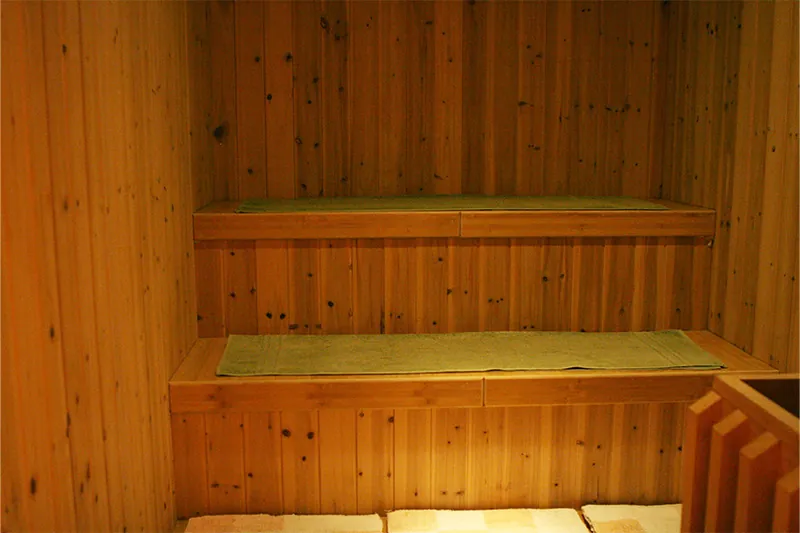
A steam sauna is the quiet service on most spa menus. It does not have a technique or a therapist, just warm, saturated air and a bench. Yet regulars at Hana Spa in Palisades Park book around it, and the reasons are specific: their skin feels better, they breathe easier, their muscles let go before the massage, and they sleep that night.
The direct answer: a steam sauna softens and hydrates the surface of the skin, thins mucus in the nose and sinuses, warms and relaxes muscle, raises heart rate the way a brisk walk does, and leaves most people calm enough to sleep well. Studies suggest these effects are real and short lived, and none of them is a treatment for a medical condition. This guide, from the team behind the spa services at Hana Spa, goes through each benefit, what the evidence supports, the limits, and how to fold a steam session into a visit.
The short answer: five things a steam sauna does
A steam sauna does five things reliably: it hydrates the outer layer of the skin, loosens congestion, relaxes muscle and joints, raises circulation for the length of the session, and settles the nervous system so sleep comes easier. Everything else on the long lists you see online is either a version of these five or a stretch.
What makes steam different from a dry sauna is the humidity. A steam room runs about 110 to 120 degrees Fahrenheit at close to 100 percent humidity, where a dry sauna runs 150 to 195 degrees with very little moisture. The lower temperature with saturated air is gentler on the airways, kinder to skin and hair, and feels just as intense because sweat cannot evaporate. That is why the skin and sinus benefits belong to steam specifically, while the muscle, circulation and sleep benefits come with any heat.
Hana Spa has a wood lined steam sauna, so the benefits below are the ones you can expect on a visit. The comparison in sauna vs steam room covers the dry side in detail.

Skin: hydration, pores and a softer surface
Steam leaves skin softer and better hydrated on the surface, and sweating rinses the pores. These are surface effects that last a day or so, and they are the reason many people with dry winter skin prefer steam to dry heat.
Here is what is happening. Warm, saturated air stops water from evaporating off the skin and adds moisture to the outer layer, so the skin plumps and feels smooth. Sweat carries out the oil, dead cells and residue sitting in the pores, and the warmth increases blood flow near the surface, which is the pink, rested look people have when they come out. A cool rinse afterward brings the skin back to normal temperature and removes what sweated out.
What steam does not do is treat acne, eczema, rosacea or any skin condition. For some people with rosacea or very reactive skin, heat makes flushing worse, and anyone with a skin condition should ask their doctor or dermatologist before making steam a habit. It also does not detox the skin in any medical sense; sweat is mostly water and salt.
A practical note for Bergen County winters: indoor heating and cold wind dry skin out between November and March, and a weekly steam session followed by a plain moisturizer is a simple way to offset that.
Sinuses and breathing: thinner mucus, easier air
Warm, moist air thins mucus in the nose, sinuses and throat and many people find they can breathe through the nose freely for a few hours after a session. This is the benefit steam has over every other kind of heat.
The effect is the same one a hot shower gives a stuffed head, only stronger and longer, because the room holds the humidity. Mucus that has thickened from dry indoor air or a mild cold loosens, the lining of the nose is soothed rather than dried, and slow breathing through the nose for ten minutes clears a surprising amount. People with seasonal allergies often use steam for the same reason.
The limits matter here. Steam eases the symptom; it does not treat the cause. A sinus infection, a chest infection or asthma needs a doctor, and hot humid air can make breathing harder for inflamed lower airways. If you have asthma, bronchitis or any lung condition, ask your doctor before using a steam room. If you have a fever, skip it entirely; our guide on when heat helps and when to stay home goes symptom by symptom.
Sleep: why a steam session in the evening helps
A steam session an hour or two before bed helps many people fall asleep faster and sleep more deeply. The mechanism is temperature: the body sleeps best as core temperature falls, and the drop after heat is steeper than the normal evening decline.
There is a second mechanism, which is the rest state heat produces. Heart rate climbs during the session, then falls below baseline during the cool down, and the nervous system shifts toward its calm mode. People describe it as feeling heavy and quiet. That state carries into the evening if you do not undo it with a screen and a late meal.
Timing is the whole trick:
- Finish the steam session 1 to 2 hours before bed, not right before.
- Cool down fully with a lukewarm then cool rinse.
- Drink a glass of water and eat only something light afterward.
- Keep the lights low and skip alcohol, which flattens the sleep benefit.
Hana Spa is open until 11 PM every day, which makes an evening session practical after work rather than something you have to plan a day around. Pairing it with a massage, especially Swedish or aromatherapy with lavender, is the combination regulars use when sleep has been poor for a week.
Muscles, joints and recovery
Heat relaxes muscle and eases joint stiffness for an hour or two after a session. For stiff shoulders after a desk day or tight legs after training, ten minutes of steam before a massage lets the therapist reach deeper with less pressure.
Warm tissue is more pliable. Blood flow to the muscle increases, the muscle spindle that keeps tension high calms down, and the fluid in the joints moves more easily. That is why a steam session feels so good to people with a stiff lower back in the morning, and why a massage after steam often feels like a different massage.
Before a massage
About 10 minutes, then a cool down and a glass of water, then the table. This suits deep tissue, sports and hot stone massage especially well. A longer steam round before deep work leaves you drained; keep it short.
After training
Heat after a workout may reduce stiffness the next day, and many gym goers use it that way. The honest caution from research is that feeling looser is not the same as being recovered; the muscle still needs its rest day.
For everyday stiffness
A weekly session does more for chronic desk stiffness than an occasional long one. Short, regular, followed by movement.
Circulation, heart and stress: what research suggests
During a steam session, heart rate rises to something like 100 to 150 beats per minute, blood vessels near the skin widen and blood pressure usually drops a little. Studies suggest this mild cardiovascular workload is safe for healthy adults and may have benefits with regular use, but the evidence is stronger for dry sauna than for steam, and none of it should replace exercise or medical care.
| Benefit | What happens | How strong the evidence is |
|---|---|---|
| Circulation | Heart rate and blood flow rise during the session | Well established, short term |
| Blood pressure | Often drops slightly after the session | Suggested in several studies; effect is temporary |
| Stress and mood | Calmer mood, lower tension for hours | Widely reported; studies suggest benefit |
| Long term heart health | Better outcomes in people who use heat regularly | Finnish dry sauna studies suggest it; steam less studied; cause not proven |
| Calorie burn and weight | Slight rise in energy use; weight lost is water | Not a weight loss tool |
| Immune function | Fewer reported colds in one small study of regular users | Weak; a hope rather than a finding |
The stress benefit is the one almost everyone notices and the one with the least need for a study. Fifteen quiet minutes in warm fog, with no phone and nothing to do, is rare in a Bergen County week. Many people find the calm lasts well into the evening.
Limits, risks and who should ask a doctor first
A steam sauna is safe for most healthy adults when sessions are short and you drink water. The risks are dehydration, overheating, fainting on standing, and germs in a shared warm room, and all four are manageable.
Keep it short and hydrated
10 to 15 minutes per round, up to 2 or 3 rounds with a cool shower and water between them, and total heat time under 30 to 40 minutes. A glass of water before and after. Get out at the first sign of dizziness, nausea, a pounding heart or chills.
Stand up slowly
Most fainting at spas happens when someone stands up fast from a hot bench. Sit on the edge, wait, then stand.
Shower before and after
Warm, wet surfaces carry bacteria. A rinse before keeps the room clean; a rinse after removes what sweated out, and sitting on a towel protects both you and the bench. Our guide to what to wear in a sauna covers the rest of the etiquette. Do not use a steam room with an open wound or a skin infection.
Ask your doctor first if
- You are pregnant
- You have a heart condition, high or low blood pressure, or take medication for either
- You have asthma, bronchitis or any lung condition
- You have a skin condition that flares with heat
- You have had a fever in the last 48 hours
- You have had alcohol that day; heat and alcohol together cause most sauna fainting
None of the benefits above is a reason to override these. The sessions are pleasant and probably helpful; they are not medicine.
How to build a steam session into a visit to Hana Spa
The simplest plan is a 10 minute steam session before a massage, a short cool down, then the table. It works with every one of the 14 services at Hana Spa, from Swedish and deep tissue to hot stone, shiatsu, Thai and foot reflexology, and every massage takes place in a private treatment room on a padded table with fresh linens. Say at the start of your session that you want the steam room before or after, and the therapist will plan the pressure around it. Timing by goal is in how long to stay in a steam sauna, and the full list of services and combos is on the services page. Pricing is by phone.
Hana Spa is at 520 Bergen Blvd in Palisades Park, NJ, six minutes from Fort Lee and the George Washington Bridge, open every day from 9 AM to 11 PM. Walk ins are welcome, or call 201-242-0444 to hold a time. There is free parking on site, NJ Transit route 154 runs along Bergen Boulevard and route 166 along Broad Avenue, and Korean and English are spoken.
Questions readers ask
Is a steam sauna good for your skin every day?
Daily use is fine for most healthy adults with short sessions, but very dry or reactive skin may do better with two or three sessions a week and a moisturizer afterward. Ask a dermatologist if you have a skin condition.
Does a steam sauna help with allergies?
Many people find the warm moist air clears a stuffy nose from seasonal allergies for a few hours. It eases the symptom; it does not treat the allergy.
Can a steam sauna help you lose weight?
Not in any lasting way. The weight lost in a session is water and returns when you drink. Heart rate rises, but a session is not a substitute for exercise.
How soon after a steam sauna can I have a massage?
Cool down for 5 to 10 minutes and drink water first, so your heart rate settles and your skin dries enough for oil. Then go straight to the treatment room.